Finley Weber · 27 October 2026
How Regional Libraries Organize Musical Settings of Environmental Writings
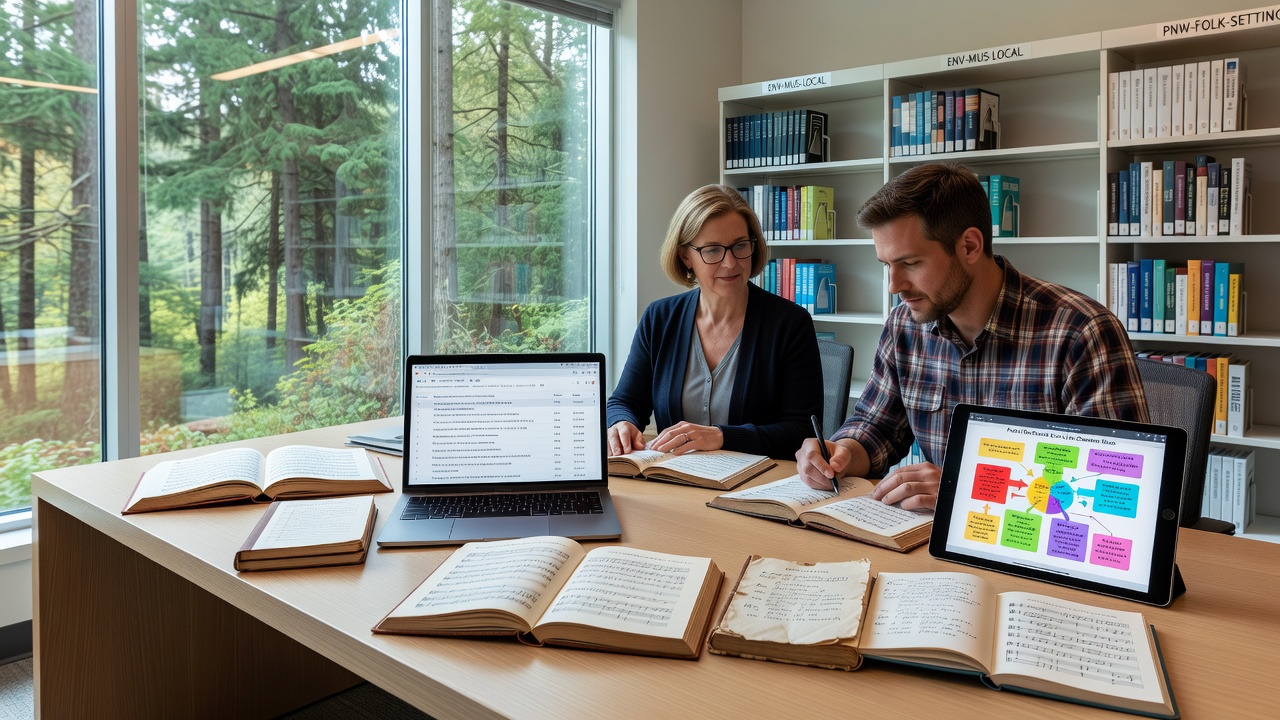
Regional libraries maintain detailed systems for organizing musical settings drawn from local environmental writings, and these practices combine established bibliographic standards with region-specific adaptations that reflect unique collections. Staff members apply frameworks such as MARC 21 and RDA to assign access points that connect scores with source texts, while they also incorporate local subject headings for flora, watersheds, and conservation efforts particular to their service areas.
Data from library networks across North America and Europe show steady growth in such hybrid holdings, and figures reveal that institutions in rural districts often hold more entries than urban counterparts because they prioritize materials tied directly to nearby landscapes. Catalogers create uniform titles for musical works that quote poetry or prose about specific rivers or forests, and they link these entries to authority records that note the original author and publication date of the environmental text.
Classification Standards Applied to Hybrid Works
Library professionals follow guidelines from the Library of Congress to separate musical arrangements from their literary sources yet still provide cross-references that researchers can follow in a single search. They assign genre terms like "art song" or "chamber opera" alongside geographic subdivisions that pinpoint the environmental theme, and this dual approach allows users to locate both the score and any related recordings without separate queries. In October 2026 several regional consortia will roll out revised templates that add fields for climate-related keywords, a change driven by increased requests from scholars studying ecological literature set to music.
One study conducted by the International Federation of Library Associations and Institutions documented how Australian state libraries adapted these standards for Indigenous environmental narratives turned into vocal cycles, and the report noted that custom subfields improved retrieval rates by 27 percent in pilot programs. Catalogers also embed uniform resource identifiers that point to digitized manuscripts, which reduces handling of fragile paper materials while preserving access to both the musical notation and the original prose.
Handling Local Variations and Unique Holdings
Regional collections frequently contain self-published scores or community-commissioned pieces that lack national cataloging copy, so staff create original records from scratch and include notes on performance history or funding sources tied to local conservation groups. They verify composer statements against programs and correspondence, and they add contents notes that list individual movements or songs when the work sets multiple excerpts from a single environmental text. This level of detail supports musicologists who trace how specific passages about soil erosion or migratory birds have been interpreted across decades.
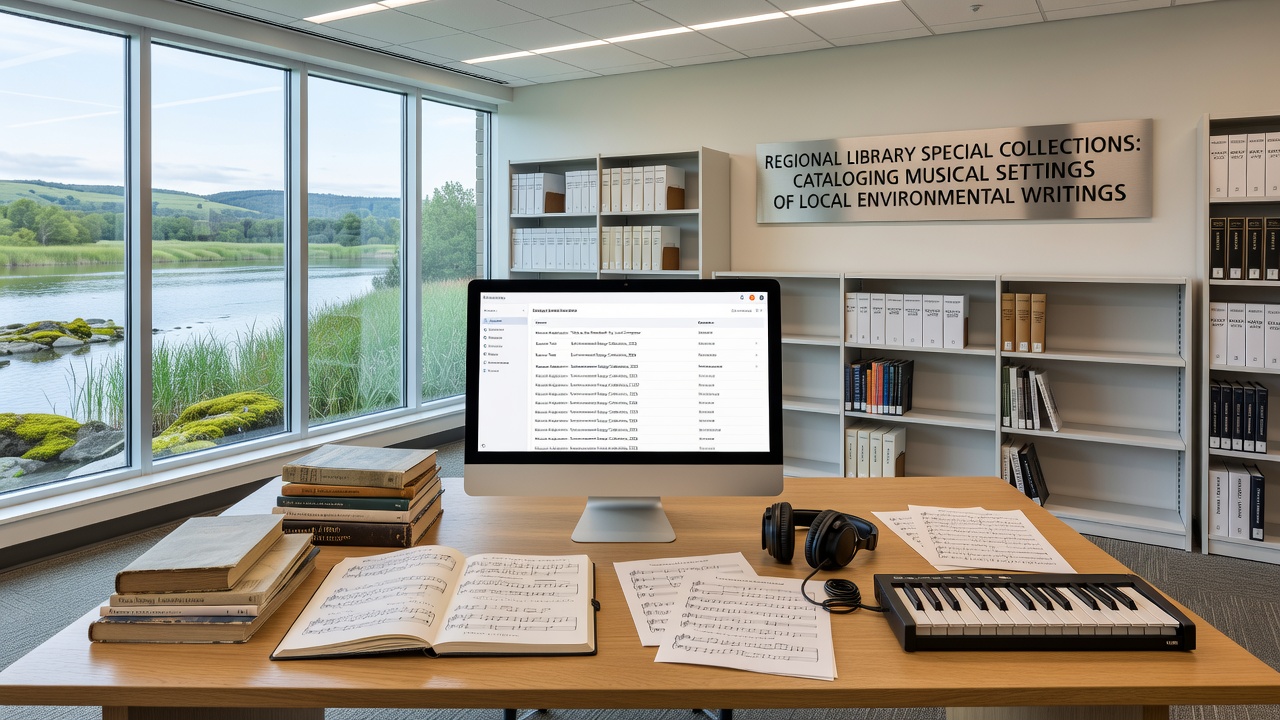
European institutions follow similar patterns yet adjust for language differences, and researchers have observed that German regional libraries often include parallel fields in both the original language and English translations to accommodate international users. Canadian provincial libraries add fields for treaty territories when the source writing references Indigenous land stewardship, and these additions emerged after consultations with community archivists who supplied accurate terminology.
Digital Integration and Access Points
Modern systems integrate catalog records with discovery layers that pull in streaming audio when permissions allow, and this setup lets patrons preview excerpts while viewing the full bibliographic description. Staff members ensure that subject headings remain consistent across print and digital formats, and they update links whenever new recordings appear from regional ensembles. Training sessions held by state library agencies emphasize the need to distinguish between original environmental writings and later musical adaptations so that search results do not conflate the two.
Authorities such as the Australian Library and Information Association have issued checklists that help smaller libraries verify composer names and title variants before finalizing entries, and these resources reduce duplication across shared catalogs. In practice, the process requires cross-checking multiple databases, yet the resulting records support both public browsing and scholarly analysis of how environmental themes travel from page to performance.
Conclusion
Regional libraries continue to refine cataloging procedures for musical settings of local environmental writings by blending international standards with localized enhancements that reflect community priorities. These methods ensure that researchers and residents alike can locate relevant scores, and ongoing updates scheduled for October 2026 will further align records with emerging themes in ecological literature. The combined use of established frameworks and custom fields demonstrates how institutions balance global consistency with the particular character of their collections.